









A rare vehicle has been spotted driving around Sydney this morning. The infamous Tesla Cybertruck, an electric pickup truck, was seen navigating the streets of Sydney, despite not being available for purchase in Australia. Hear more highlights from Ben Fordham Live in the playlist below and give us a follow on Apple Podcasts:
Advertisement

The Continuous Call Team

Ben Fordham Live is getting right behind Tirion and Chloe’s fundraiser for ovarian cancer! Tragically, Tirion was recently diagnosed with ovarian cancer and is bravely battling it with remarkable resilience and determination. Supported by her family and medical team, Tirion has become a symbol of courage and hope, inspiring those around her to confront […]

Ben Fordham

Prime Minister Anthony Albanese’s ongoing dispute with Elon Musk and X, formerly known as Twitter, has taken a new turn, with a plea for the social media giant to cease posting fake content of him. Hear more highlights from Ben Fordham Live in the playlist below and give us a follow on Apple Podcasts:
Ben Fordham

The Australian Bureau of Statistics has made an interesting decision. Starting from 2026, they will no longer be asking about ethnicity when conducting the census. And they’ve provided a head-scratching reason why. Hear more highlights from Ben Fordham Live in the playlist below and give us a follow on Apple Podcasts:
Ben Fordham
Anzac Round marked a special moment for 2GB icon and legendary broadcaster Ray Hadley, who on Thursday afternoon called his first game inside the ‘Ray Hadley broadcast box’. “It’s a very great honour,” he said. See more highlights from The Continuous Call Team below.
The Continuous Call Team
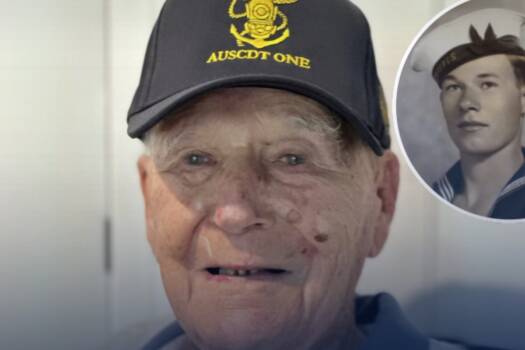
Chief Petty Officer Jack Bartlett, the inspirational 100-year-old WWII veteran and favourite of the show, joined Ben Fordham for a special ANZAC Day edition and chat. Hear more highlights from Ben Fordham Live in the playlist below and give us a follow on Apple Podcasts:
Ben Fordham

Mike Jeffreys
4 hours ago
/ 11:17

Ben Fordham
25/04/2024

Ray Hadley
21 hours ago

Clinton Maynard
4 hours ago
/ 08:47
Clinton Maynard
4 hours ago
/ 09:34

Clinton Maynard
5 hours ago
/ 21:45

clinton maynard
6 hours ago
/ 14:23

Mark Levy
14 hours ago

2GB Afternoons
18 hours ago
/ 42:59

CCT
21 hours ago

Ben Fordham
23 hours ago
/ 28:42

Ben Fordham
25/04/2024

SPORT
Mark Levy /
14 hours ago

‘It means a lot to me’: Ray reflects on special broadcasting box at Allianz Stadium
The Continuous Call Team
/
17 hours ago
17 hours ago

FOOTY TIPPING | Presenter tips for Round 8
CCT
/
21 hours ago
21 hours ago

‘Bloody legend’ – Footy Show boss pays tribute to Terry Hill
Ben Fordham
/
25/04/2024
25/04/2024

Terry Hill has passed away aged 52 after a heart attack
Chris O'Keefe
/
24/04/2024
24/04/2024
Sponsored Content

What are the benefits of fast internet for small businesses?
Chris O'Keefe
23/04/2024

Are there more scam calls going around at the moment?
Chris O'Keefe
19/04/2024

Online marketplaces can suck up your private data
Clinton Maynard
12/04/2024

Tech brands struggle for trust in Australia
Chris O'Keefe
05/04/2024
OUR NETWORKS